When was the last time you had a full physical exam? If you're struggling to remember, you're not alone, and you're not without excuse. Life gets busy. You feel fine. You tell yourself you'll book it next month, then next month becomes next year.
But here's what most people don't realize: the annual physical isn't just a formality. It's one of the most powerful tools you have for
catching serious health problems before they become life-altering ones. And in rural communities, where access to specialist care can be limited, that yearly visit with your primary care provider carries even more weight.
Understanding an Annual Physical
An annual physical exam (sometimes called a wellness exam or preventive care visit) is a scheduled appointment with your doctor that you attend when you're
not
sick. That's the whole point. It's proactive, not reactive.
During a physical, your provider takes stock of your overall health: where you are today, what risks you carry, and what screenings or follow-up care you may need. It's one of the most important things your
wellness exam can accomplish, giving your provider a full health snapshot so small concerns don't quietly grow into big ones.
Annual physicals are covered as preventive care under most health insurance plans, including Medicaid and Medicare, often at no cost to the patient. No insurance? Rural Health Network offers a sliding fee schedule based on family size and income; no one is turned away.
What Happens at an Annual Physical Exam?
- Medical history review: Your doctor will ask about any new symptoms, medications, family history updates, and lifestyle changes since your last visit.
- Vital signs: Blood pressure, heart rate, height, weight, temperature, and oxygen levels. These baselines matter more than most patients realize. A single blood pressure reading above the normal range, for instance, may not alarm you, but consistently elevated readings over time are a major risk factor for stroke and heart disease.
- Physical examination: Head-to-toe assessment including ears, eyes, throat, lymph nodes, heart and lungs, abdomen, skin, and reflexes.
- Blood work and lab tests: Depending on your age and risk factors, your provider may order a complete blood count, cholesterol panel, blood glucose test, thyroid function, or other labs.
- Preventive screening: This is where annual physicals genuinely save lives. See below.
- Immunization review: Your provider will confirm your vaccines are current and recommend any boosters.
- Mental health check-in: Many providers now include brief depression and anxiety screenings as part of routine care.
Reasons You Shouldn't Skip Your Annual Physical Checkup
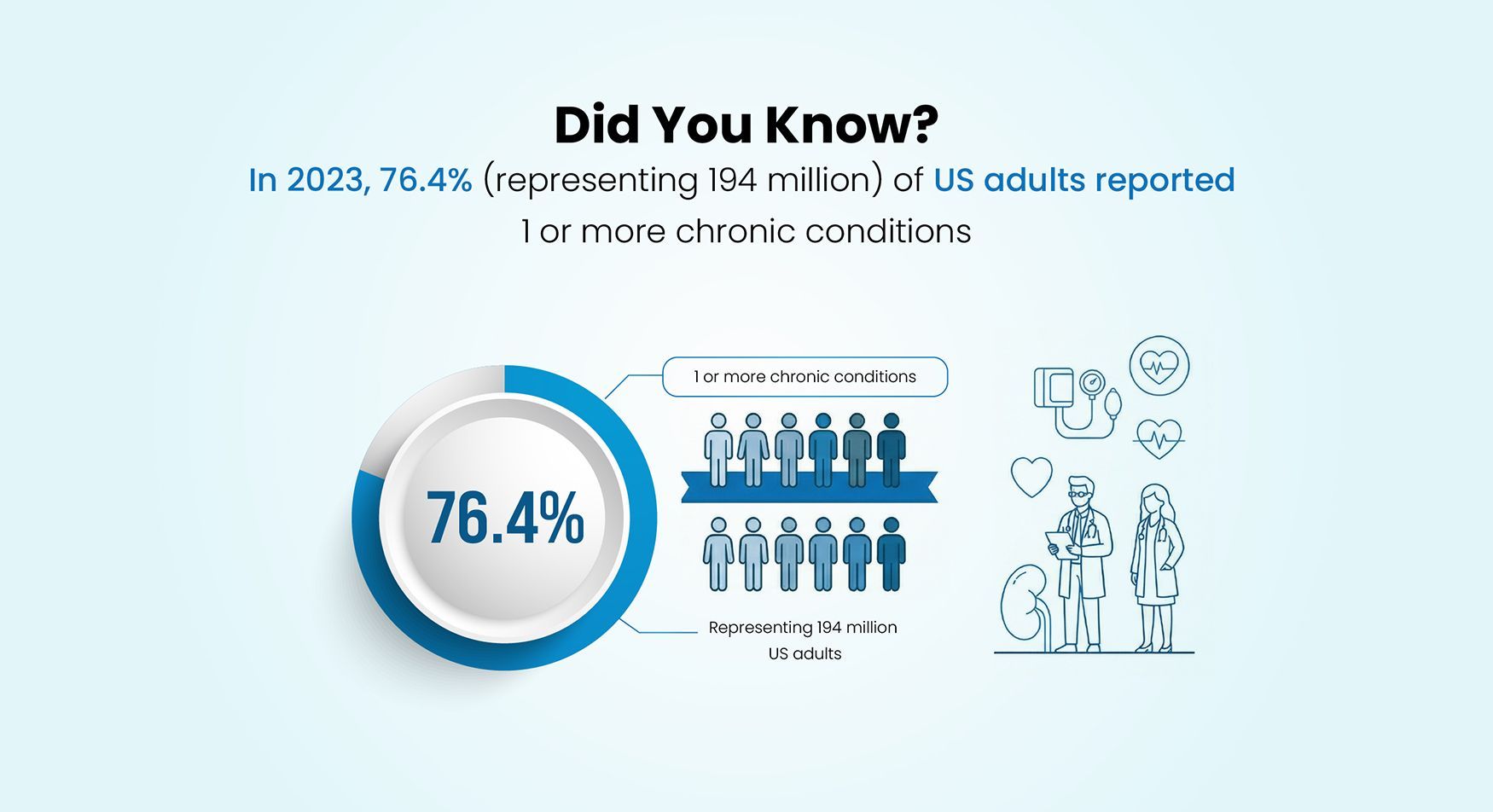
The most dangerous health conditions, heart disease, diabetes, high blood pressure, and certain cancers, often develop silently. No dramatic symptoms. No warning. Just a gradual, invisible progression until something goes wrong.
Annual physicals are specifically designed to catch these conditions in their earliest, most treatable stages. According to the
U.S. Preventive Services Task Force, routine screenings for conditions like hypertension, type 2 diabetes, and colorectal cancer have measurable, evidence-based impact on outcomes when caught early.
Consider what regular checkups can detect and prevent:
Hypertension
High blood pressure is present in nearly half
(48.1%, 119.9 million) of American adults, and a significant portion don't know they have it because it rarely causes symptoms. Catching it early through a routine blood pressure check can prevent a heart attack and stroke.
Cardiovascular Condition
High cholesterol is another silent condition with no noticeable symptoms. Left unmanaged, it's a leading driver of cardiovascular disease, but it's easily identified and managed with lifestyle changes and medication.
Type 2 Diabetes
Prediabetes and type 2 diabetes often show no symptoms in the early stages. A simple fasting blood glucose test at your annual physical can identify elevated blood sugar levels before they cause lasting organ damage.
Cancer
Colorectal, cervical, breast, prostate, and skin cancers all have recommended screening schedules that begin at specific ages. Your annual physical is the right time to confirm you're on track. Read more about how your primary care provider plays a role in
cancer prevention and early detection.
Chronic Condition Management
If you're already living with a chronic condition like diabetes, hypertension, or heart disease, your annual physical is an important checkpoint to assess how well it's being managed and adjust your care plan as needed. Learn more in our guide to
managing chronic conditions and family health.
When to Schedule Your Annual Physical Checkup
The name says it all - annually. Once a year, every year, regardless of how healthy you feel. Think of it less like a doctor's appointment and more like a regular maintenance check for the one body you'll ever have.
A few timing tips:
- Don't wait until something is wrong. By the time symptoms appear, a condition is often already advanced. The value of the annual physical is specifically in the
absence
of symptoms.
- Schedule early in the year. January through April is a good window, before summer schedules get complicated and while your health intentions from the new year are still fresh.
- Bring a list. Write down any concerns, symptoms, or questions you've been putting off. The annual physical is your dedicated time with your provider; use it to the fullest.
- Know your family history. Certain screenings are recommended earlier or more frequently if you have a family history of heart disease, diabetes, or cancer. This context significantly shapes your care plan.
Final Thoughts
Skipping your annual physical feels harmless until it isn't. The conditions that take the most lives don't announce themselves. They build quietly, in the background, while you're busy living. A yearly visit with your primary care provider is the most reliable way to stay ahead of what you can't yet see or feel.
If it's been more than a year since your last physical, that's your sign. The team at Rural Health Network is here to provide accessible, compassionate primary care for patients across our community, no matter your insurance status or income level.
Book your appointment today.
Frequently Asked Questions
Is an annual physical the same as a wellness exam?
They're very similar, and the terms are often used interchangeably. A wellness exam may focus slightly more on preventive screenings and health goals, while a physical includes a more comprehensive head-to-toe examination. Both are valuable, and both are typically covered as preventive care under most insurance plans.
What's the difference between an annual physical exam and a sick visit?
A sick visit is reactive; you come in because something is wrong. An annual physical is proactive; you come in to assess your overall health, catch problems early, and update your preventive care. They serve entirely different purposes.
Do I still need an annual physical if I feel completely healthy?
Yes, in fact, that's precisely when it matters most. The most serious health conditions often have no noticeable symptoms in their early stages. Feeling fine is not the same as being fine.
What should I bring to my annual physical?
Bring a list of all current medications (including supplements), any symptoms or concerns you've noticed, your family health history (if available), and your insurance card. Come with questions; your provider wants to hear them.
How do I find an annual physical exam near me?
If you're in the Newman, CA area or surrounding communities, Rural Health Network offers comprehensive annual physicals for patients of all ages. Contact us
or book an appointment
online.