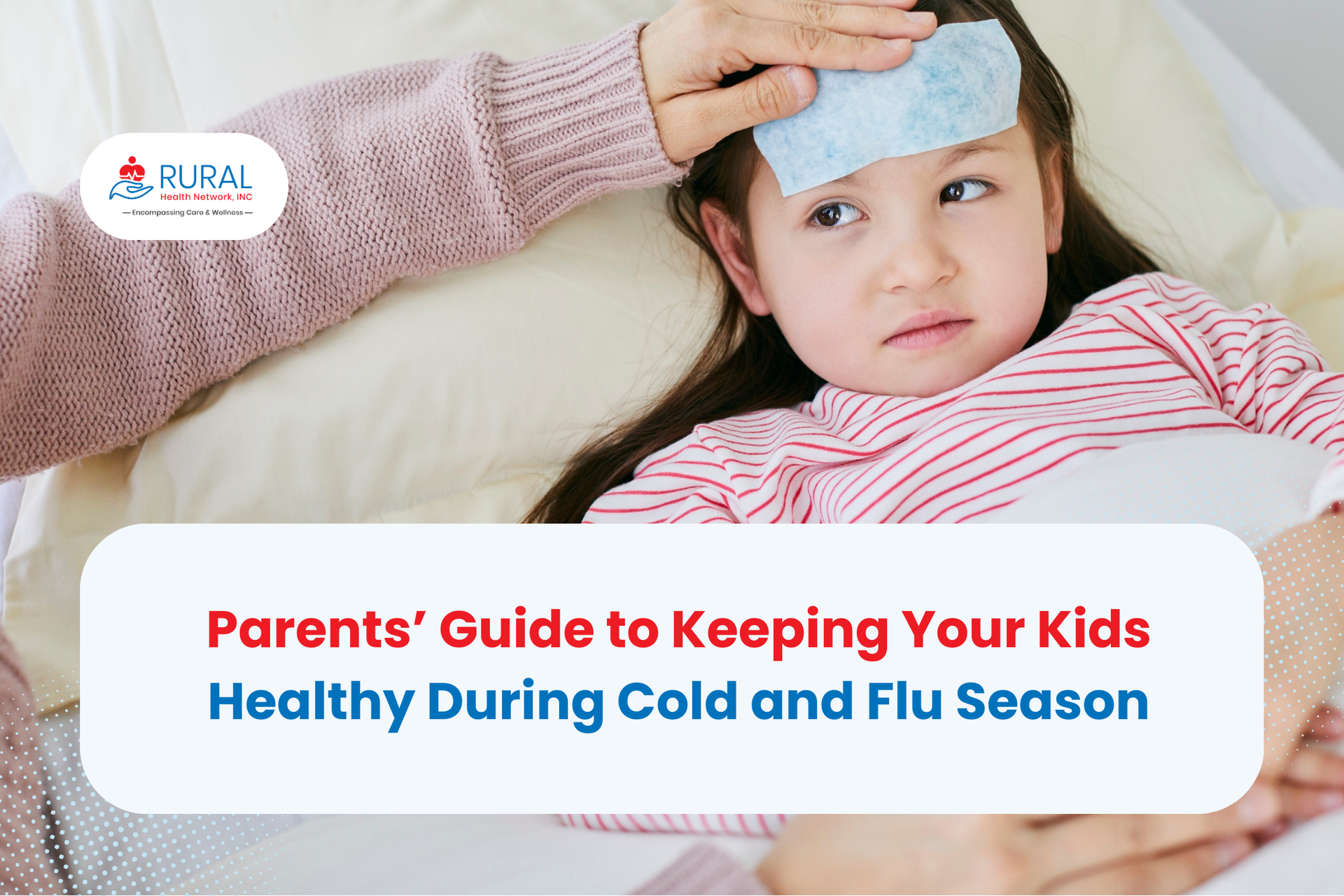
Have you noticed your little ones getting more sniffles, coughs, and tired little faces as the weather cools down? Don’t panic. This is common when the cold and flu season rolls around. Each fall and winter, germs spread more easily, and our kids bear the brunt.
Kids tend to catch just about everything going around because their immune systems are still learning how to fight off germs (and let’s be honest, handwashing isn’t always their strongest habit). But don’t worry, you have more control than you might think.
Simple prevention strategies, knowing when to act early, and having access to care when you need it can make this cold season much more manageable, and that’s exactly what we provide here at
Rural Health Network. We’re always happy and ready to lend families in our community a helping hand, wherever you are, and no matter the season.
You Don’t Have To Figure It All Out Alone
What’s the Difference between Cold and Flu in Children
As parents, it can be tricky to tell whether your kid has a common cold or the flu. Knowing the difference between the two can help you decide when home care is enough or when it’s time to reach out to a
trusted healthcare provider. Here’s a simple guide:
Between the two, the flu usually demands more attention. Flu symptoms can develop quickly and lead to complications such as dehydration, ear infections, or more severe respiratory issues.
Everyday Prevention Tips You Can Do
So, how do you keep those viruses at bay in the first place? While you can’t create a germ-free bubble around your kids, you can absolutely stack the odds in your favor with some practical, doable ways to prevent flu or colds.
1. Master the Art of Handwashing
Teach kids to wash their hands for at least 20 seconds with soap and water before meals, after using the bathroom, and after playing outside.
2. Cover Coughs and Sneezes
When your kid feels a cough or sneeze coming, they should aim for the inside of their elbow, not their hands. Why? Because hands touch everything. Practice this one until it becomes second nature.
3. Hands off the Face
Kids touch their faces constantly, and these are direct entry points for viruses. Try some gentle reminders like “let’s keep our hands busy with this toy instead.”
4. Clean High-Traffic Surfaces
Give a quick wipe-down to surfaces that are frequently touched, such as doorknobs, light switches, toys, and remote controls. Trust us. It works wonders.
5. When in Doubt, Keep Them Home
If you notice your kid feeling off or showing flu-like symptoms, it’s always best to keep them home.
The Role of Nutrition, Hydration, and Sleep
Keeping kids healthy is also about supporting their bodies so they can fight flu or cold illness more effectively. When your kids are well-nourished, well-hydrated, and well-rested, their bodies are better equipped to fend off those pesky viruses.
1. Balanced Meals for a Strong Immune System
Focus on getting a variety of nutrients (fruits and vegetables) throughout the day. Even simple, nourishing meals like soups, stews, or whole-grain sandwiches can help provide essential vitamins and minerals.
2. Hydrate Always
Water helps everything in the body work better, including the immune system. Offer water throughout the day, and if they resist it, try adding a slice of lemon or a few frozen berries for flavor.
3. Sleep: The Ultimate Immunity Booster
When kids sleep, their bodies produce and release proteins (cytokines) that help fight infection and inflammation. Even as adults, we should never skimp on sleep.
How much sleep do your kids need?
Depends on their age!
KidsHealth.org dives deeper into this, but as a general guideline, here’s what they need to follow:
- 11–14 hours for toddlers
- 9–11 hours for those of school-age
- 8–10 hours for teens
Flu Vaccines & Routine Checkups: What Parents Should Know
Taking advantage of preventive healthcare is one of the most effective ways to keep your kids happy and healthy during the sick season, such as getting the flu vaccine and scheduling regular checkups.
Flu Vaccine
Since kids are more likely to get seriously ill, vaccinating them is important to protect them from severe illness and to reduce the risk of spreading the virus to family, classmates, and the community.
Regular Checkups
This is your opportunity to track your kid’s growth and development, address any concerns, and catch potential health issues early when they’re easier to manage.
How often should you get your child checked?
The American Academy of Pediatrics (AAP) has a
recommended schedule from your kid’s infancy through adolescence that you can check out!
When to Keep Your Child Home and When to Seek Care
If your kid is sick, should you just care for him at home? Or is it serious enough to see a doctor? These decisions can feel overwhelming. So, let us break it down for you into clear guidelines.
When It’s Best to Keep Your Kid at Home
Consider staying home if your kid has:
- A fever (especially over 100.4°F)
- Ongoing coughing or sneezing that disrupts daily activities
- A sore throat with fatigue or body aches
- Vomiting or diarrhea
- Low energy or trouble keeping up with normal routines
When to Call a Provider or Seek Care
Trust your parent instincts and reach out to a healthcare provider if you notice:
- A high or persistent fever
- Trouble breathing, wheezing, or rapid breathing
- Signs of dehydration (dry mouth, fewer wet diapers, little or no urination)
- Symptoms that suddenly worsen or don’t improve after a few days
- Extreme tiredness, confusion, or difficulty waking.
If you have decided to keep your kid at home, here are some simple ways to keep your kid comfy while their body does the hard work of healing:
- Prioritize rest and fluids. Encourage plenty of rest and fluids. While water is definitely preferred, soup or milk works, too, and can even be soothing.
- Keep their comfort front and center.
Keep their room as comfortable and quiet as possible. Check in on them once in a while, give them a hug or reassure them—small gestures can make them feel safe.
- Use medications safely. Over-the-counter (OTC) medications can help manage their fever or discomfort, but never give them anything that is intended for adults. And most importantly, never let them take any cold or flu treatment without asking your provider.
- Antibiotics aren’t always the answer.
Viruses cause colds and flu, so antibiotics won’t really help unless a bacterial infection is present. And if you have to, only use the ones your provider prescribed.
Get Support Through the Cold and Flu Season with Rural Health Network
Caring for a sick kid is stressful for any family. But for those living in rural communities, it can come with extra challenges. But don’t worry. We see you, and we’re here to help.
Support is much closer than you think with Rural Health Network. No family should feel alone when it comes to their kid’s health. That’s why we’re committed to providing you with high-quality care and guidance, be it through our
preventive services, reassurance during an illness, or additional flu season tips.
Nothing is more important to us than the well-being of our community, and that includes your little one’s health. Remember, we’re in this with you. If you ever need help or have questions, never hesitate to reach out to our experts.
When You Need Support, Guidance, or a Reassuring Voice
Frequently Asked Questions
Can my kid still go outside and play when they have a mild cold?
Yes! Fresh air and light activity are usually fine if your kid feels up to it. Just make sure they dress appropriately for the weather, avoid overexertion, and wash their hands afterward.
How long is my kid contagious with a cold or the flu?
For most colds, kids are contagious a day or two before symptoms start and for about a week after. With the flu, kids can spread the virus a day before symptoms and up to 5–7 days after becoming sick.
Are there natural remedies that can help ease cold or flu symptoms?
Simple remedies like warm fluids, honey for coughs (for kids over 1 year), and saline nasal sprays can help relieve discomfort. They don’t replace medical care, but can make your kid more comfortable while the illness runs its course.
How can I prevent my other kids from getting sick when one of them is?
Encourage handwashing, avoid sharing utensils or cups, and clean high-touch surfaces regularly. Isolating the sick kid as much as possible while still providing comfort can help limit the spread within the household.