Life in rural communities moves fast. Between farm work, family, and daily errands, it’s easy to put off a doctor’s visit, especially when you feel fine. But skipping medical check-ups can allow small health issues grow unnoticed, turning into bigger problems over time.
We know the challenges: long drives to the nearest clinic, few local providers, and limited transportation. These barriers can make taking care of yourself feel like a hassle—but your health is worth the effort.
Regular check-ups help you stay healthy and independent. They catch problems early, guide healthy habits, and keep you strong for the people and activities that matter most to you. In this blog, we’ll explain why check-ups are so important in rural areas and how
Rural Health Network makes preventive care easier and closer to home.
Protect Your Health with a Simple Visit
What Is a Regular Health Check-Up?
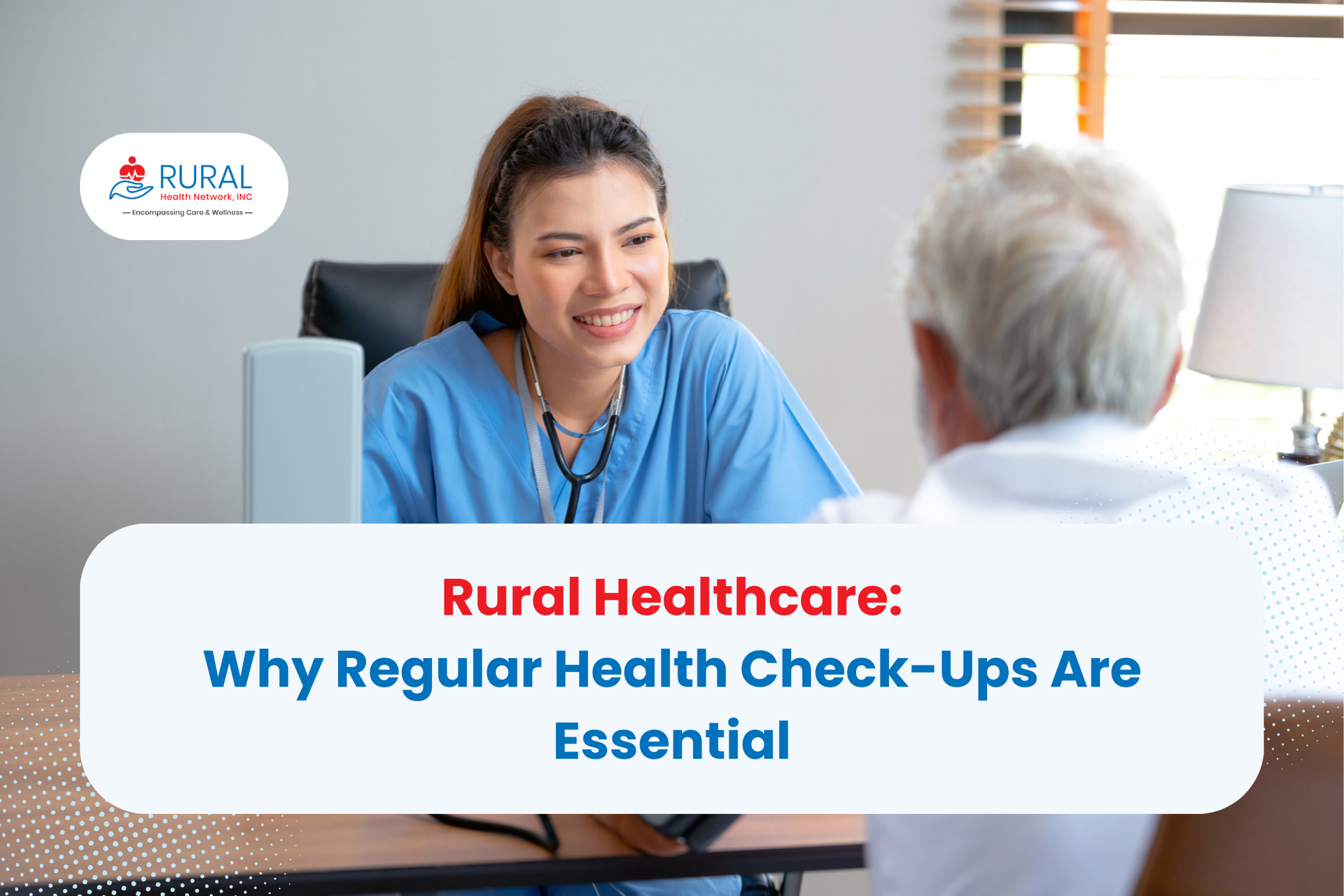
A regular health check-up is a simple visit that focuses on keeping you healthy instead of waiting until you feel sick. These visits help your doctor spot problems early and guide you toward habits that protect your health and independence.
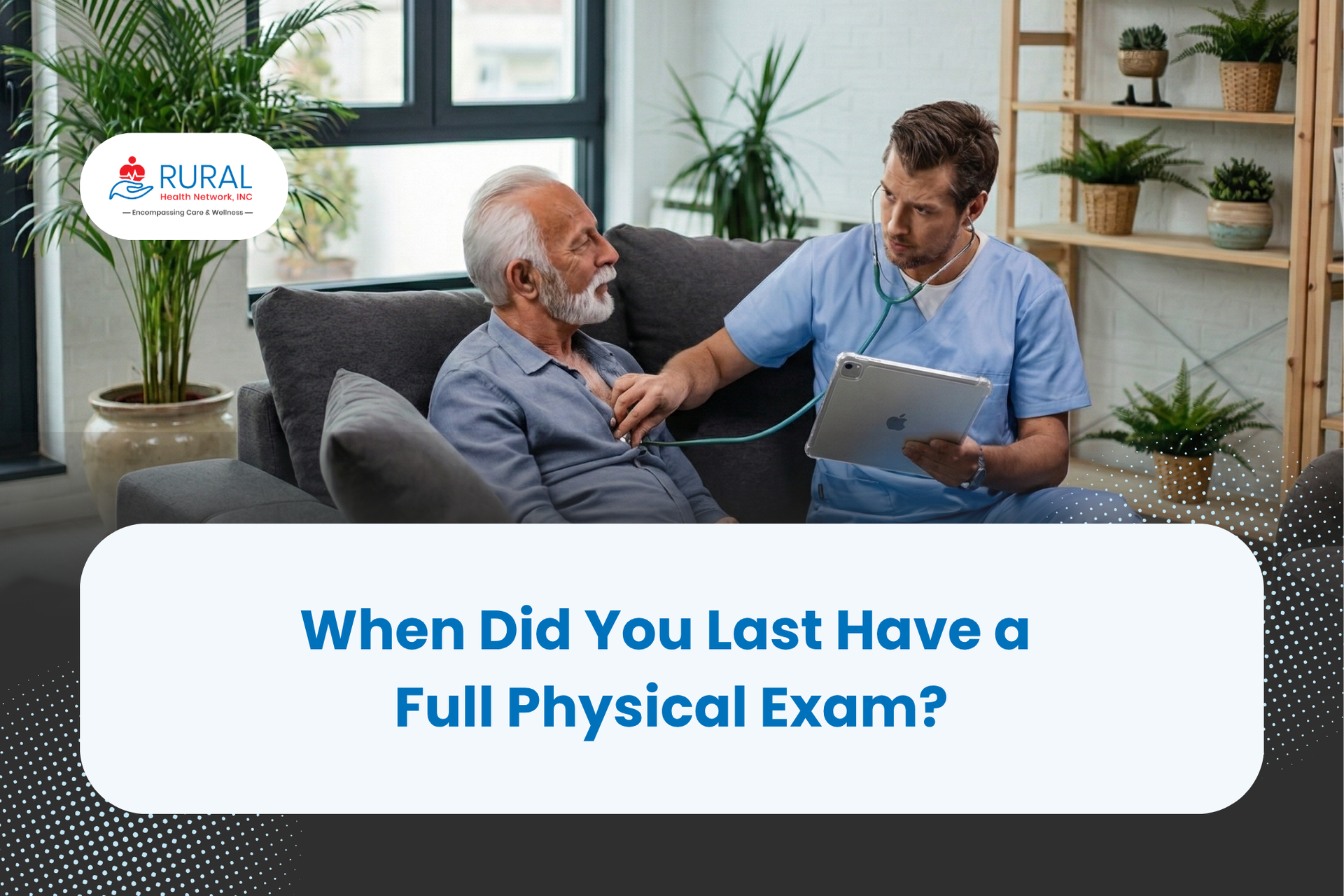
During a check-up, your healthcare provider may:
- Check vital signs:
Blood pressure, heart rate, weight, and BMI
- Run lab tests: Blood sugar, cholesterol, and other screenings
- Perform age-appropriate exams: Tests based on your age and health history
- Update immunizations:
Vaccines to prevent illnesses like flu or tetanus
- Review medications: Ensure prescriptions are safe and effective
- Discuss lifestyle and wellness:
Tips on diet, exercise, sleep, and stress
Early Detection Saves Lives
Many serious health conditions start quietly, without obvious symptoms. High blood pressure, diabetes, heart disease, and certain cancers can develop slowly and go unnoticed until they become serious. An
annual health check-up helps your provider catch these issues early and keep you healthy.
Early detection is especially important in rural areas. Traveling long distances for emergency or specialty care can be stressful and costly. Finding problems early can prevent complications and reduce trips to clinics or hospitals.
During check-ups, your provider may identify risks through:
- Blood pressure checks to detect hypertension early.
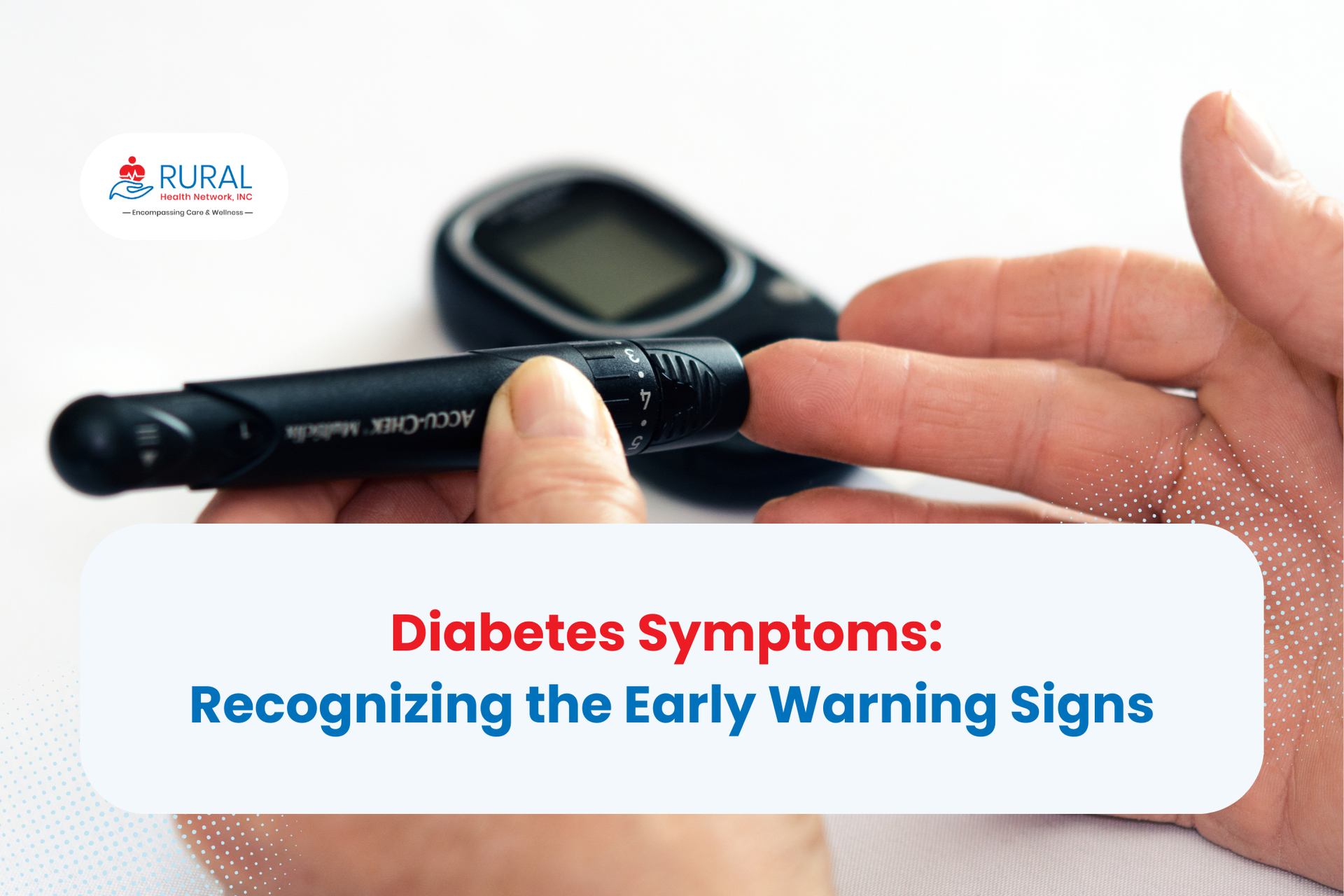
- Blood sugar tests to spot
diabetes.
- Cholesterol screenings to reduce heart disease risk.
- Cancer screenings based on age and history.
Catching issues early makes treatment simpler, less expensive, and less disruptive.
Managing Chronic Conditions Effectively
Many people in rural communities live with chronic conditions like diabetes, high blood pressure, or
respiratory issues. A preventive health check-up helps your provider monitor these conditions, catch early changes, and adjust care to keep you healthy.
Chronic care management
reduces hospital visits and long trips to specialists. They help you:
- Prevent emergencies that require urgent care
- Manage symptoms before they escalate
- Stay independent and active in daily life
Consistent health check-ups give you confidence and control over your health while keeping care close to home.
Mental Health Check-Ins Matter Too
Life in rural communities can be rewarding, but it often brings unique pressures. Long workdays, financial responsibilities, and limited social opportunities can leave many feeling stressed or isolated.
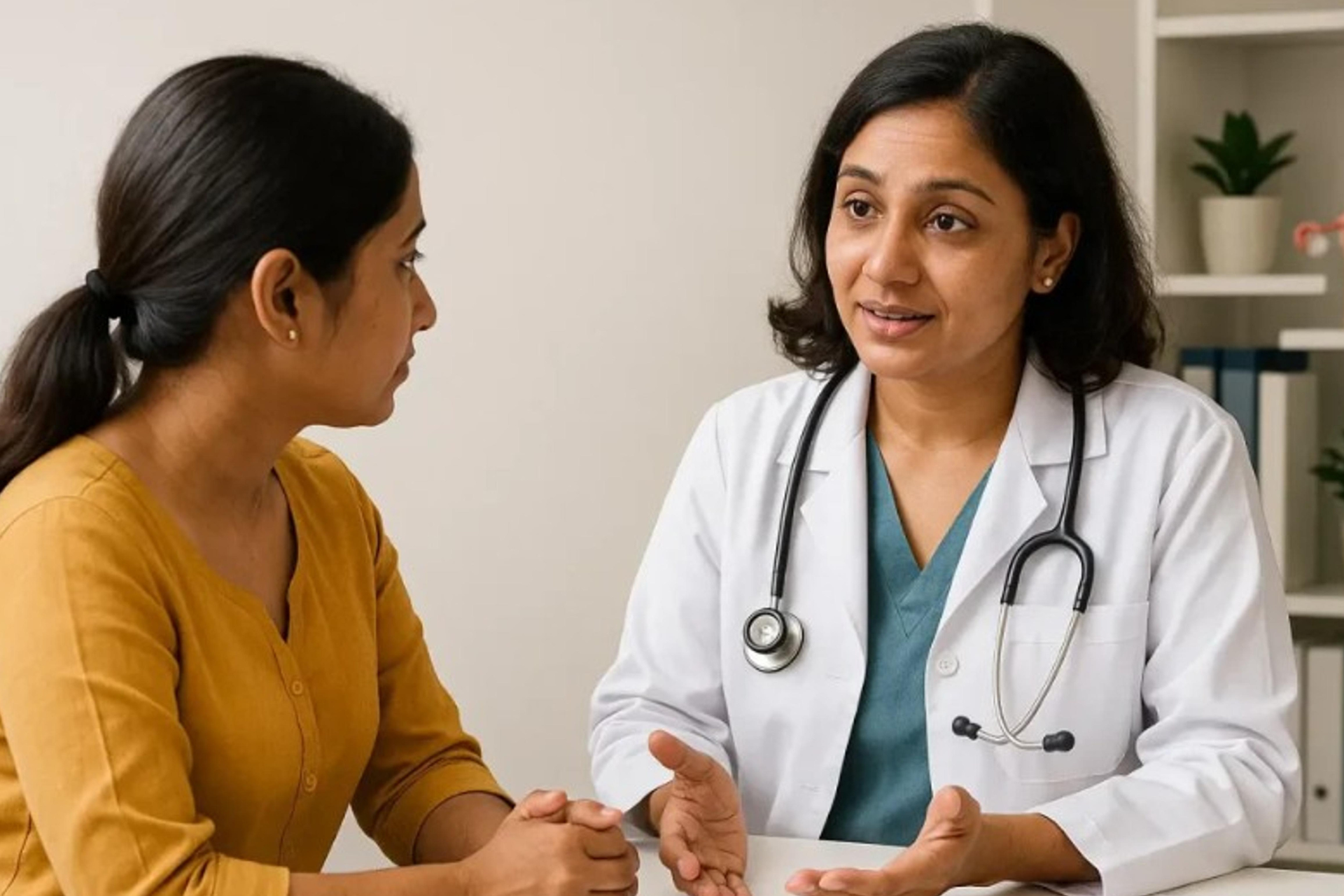
Check-ups give you a safe space to talk about anxiety, depression, or stress. Your provider can offer guidance and support before these challenges affect daily life.
During visits, you can:
- Share concerns in a confidential setting.
- Learn coping strategies for work, family, and daily pressures.
- Access local or virtual support designed for rural communities.
Mental health is just as important as physical health. Regular check-ins help you stay balanced, strong, and focused on the life and work you love.
How Often Should Rural Residents Schedule Check-Ups?
Staying on a consistent health check-up schedule helps you catch potential health concerns early and maintain your strength and independence. Knowing when to visit your provider can make a big difference for you and your family.
Here are general guidelines for rural residents:
- Adults: Schedule a medical check-up at least once a year to monitor your overall health.
- Children:
Attend
regular well-child visits to track growth, development, and immunizations.
- Seniors or those with chronic conditions: Follow your provider’s recommendations for more frequent visits.
Rural Health Network: Bringing Care Closer to Home
Rural Health Network is committed to making healthcare accessible and convenient for people in rural communities. Our mission focuses on improving access to preventive care and ensuring that everyone can stay healthy without having to travel far.
We offer a variety of services designed to meet the unique needs of rural residents:
- Family Medicine:
Comprehensive care for every member of your family, from routine check-ups to managing health concerns, ensuring everyone stays healthy and strong.
- General Pediatrics: Focused care for children, including growth and development check-ups, immunizations, and guidance for healthy habits from infancy through adolescence.
- Chronic Care Management:
Personalized support for ongoing conditions like diabetes, high blood pressure, or asthma, helping you manage symptoms, prevent complications, and maintain independence.
- Wellness Exams:
Preventive health check-ups that catch health issues early, provide lifestyle guidance, and help you stay active, energetic, and able to enjoy your daily life.
Strong Health Starts with One Visit
Your health is the foundation for everything you do, for your family, your work, and your community. Regular check-ups help you catch small problems early, stay independent, and live each day with confidence and energy.
Don’t wait. Schedule your health check-up with Rural Health Network today. Call your nearest clinic, visit our website, or reach out for guidance. Every visit is a step toward stronger health, a stronger family, and a stronger rural community. Your future self will thank you.
Start Your Preventive Care Now
Frequently Asked Questions
What should I bring to my health check-up?
Bring a list of medications and supplements, as well as any recent symptoms or concerns. You should also share changes in your lifestyle, stress levels, or family medical history. This information helps your provider give you personalized care.
Can regular check-ups really lower my healthcare costs?
Yes. Preventive visits often cost less than emergency care or hospital stays. Early detection helps you avoid expensive treatments and long recovery times.
How do check-ups support mental health in rural areas?
Your provider can screen for stress, anxiety, or depression and connect you with support. Early conversations help prevent small challenges from becoming serious concerns.
What if I have not seen a doctor in years?
You can start at any time. Your provider will review your history, run appropriate screenings, and help you build a care plan moving forward without judgment.